
- Details
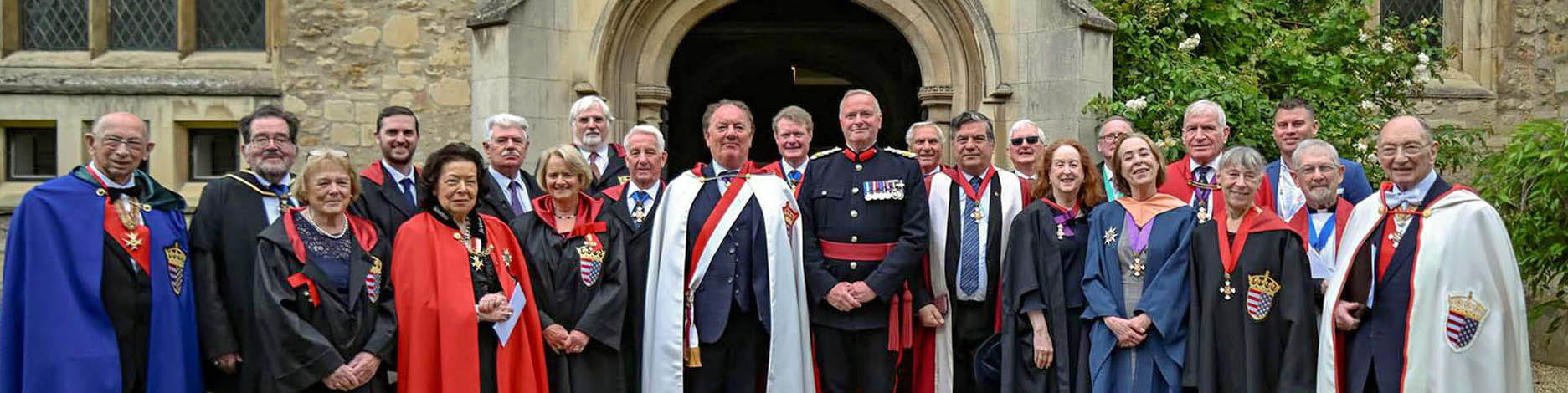
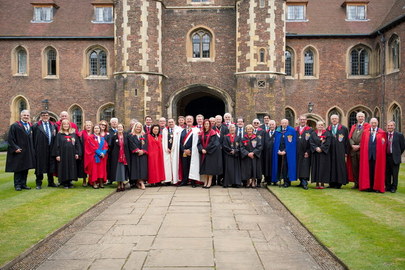
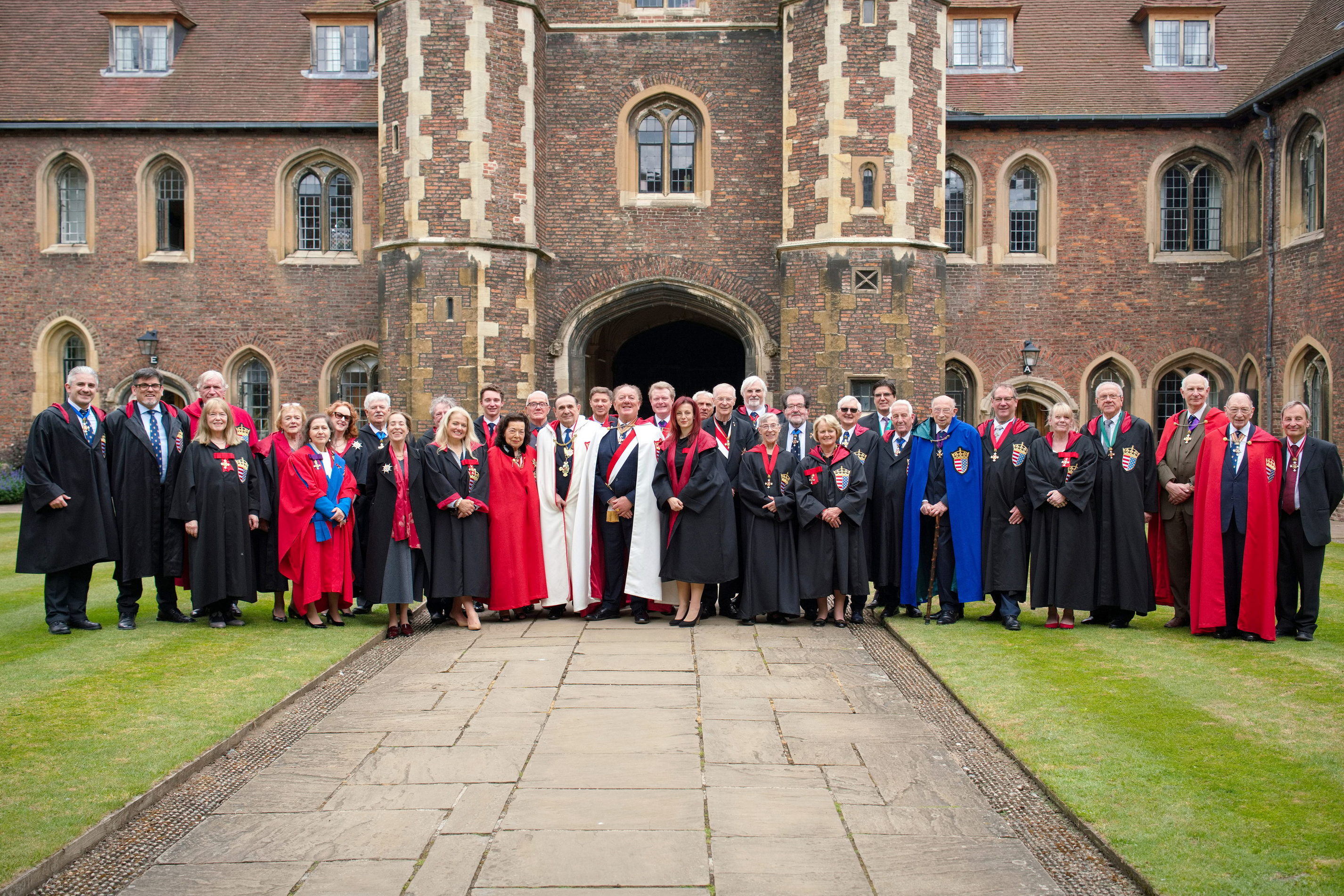
The Order of St George the Martyr marked a historic milestone on Saturday, 16 May 2026, as Dames, Knights, clergy, civic representatives, distinguished guests, family and friends gathered at Great St Mary’s Church, Cambridge, for the Order’s 700th Anniversary Investiture.
The occasion celebrated seven centuries of Christian service, chivalric tradition, charitable commitment and fellowship. It was a deeply meaningful day for the Order, honouring both its long history and its continuing mission of faith, service and compassion in the modern world.
The Service and Investiture at Great St Mary’s Church
The Service and Investiture brought together members of the Order from across the United Kingdom and Europe, alongside honoured guests including Deputy Lord-Lieutenant Dame Polly Courtice DBE LVO, representing His Majesty King Charles III, H.E. Mr Tihomir Stoytchev, Ambassador of Bulgaria, Mr Jean-Pierre Faivre of The Cambridge Royal Albert Homes, former Grand Master Tadeusz Kaczor, and Maestro Paolo Curatolo, composer of music and words for the Order.
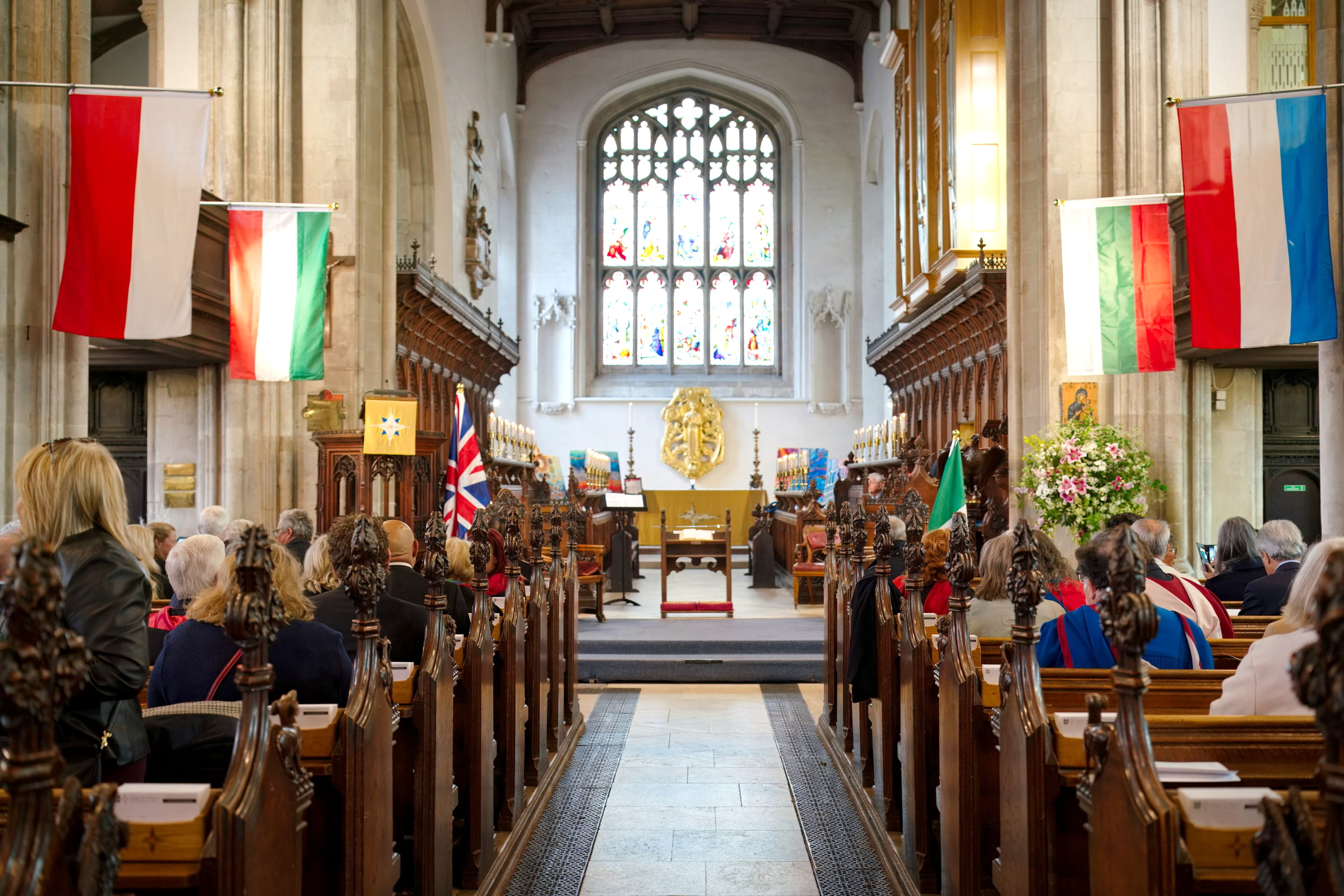
A particularly moving moment in the service was the performance by the choir of an anthem dedicated to the Order, composed by Maestro Paolo Curatolo. The anthem added a solemn and uplifting musical tribute to the historic occasion, reflecting both the spiritual character of the service and the significance of the 700th anniversary.
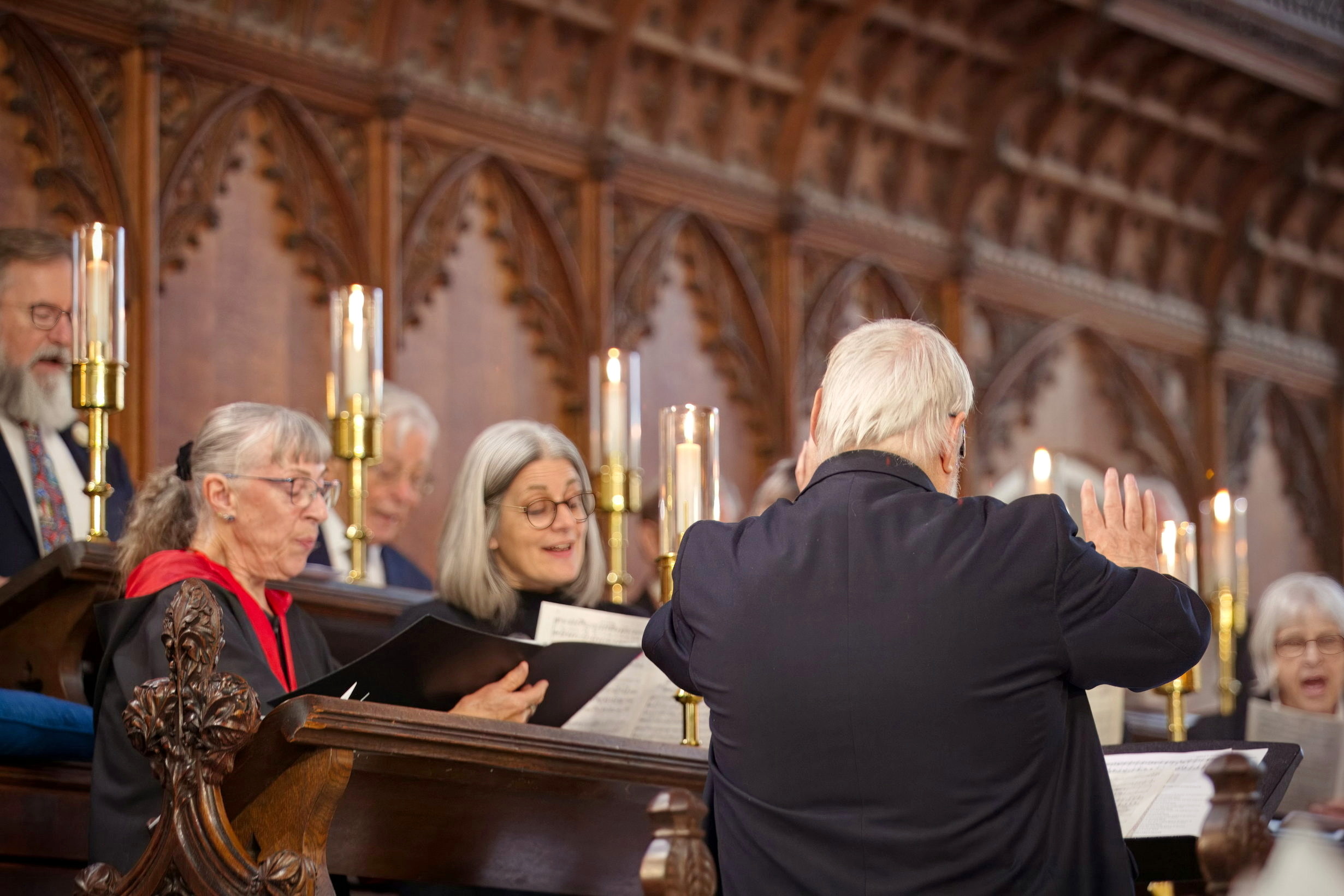
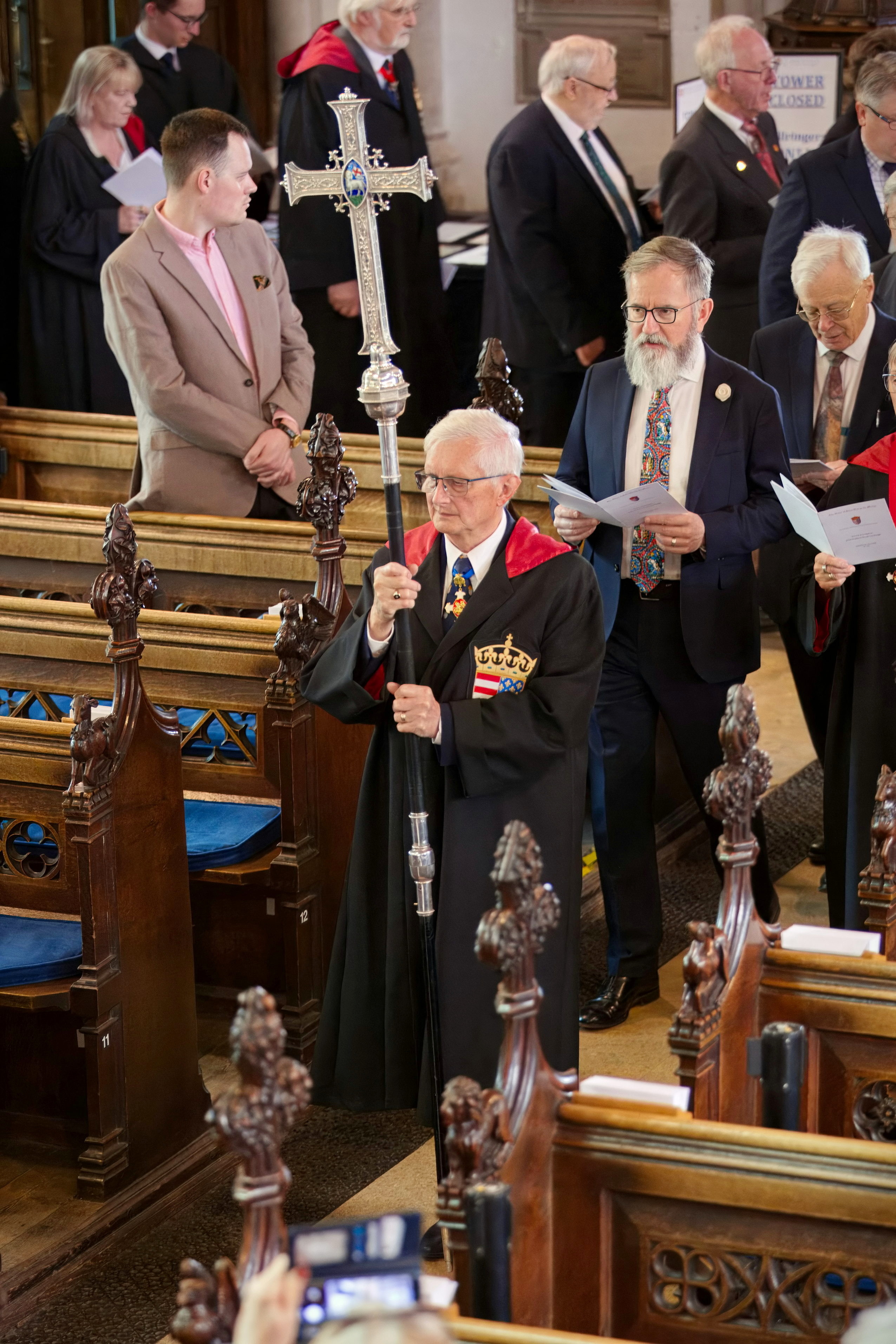
Pictures: Bart Fajer and M&S Foto
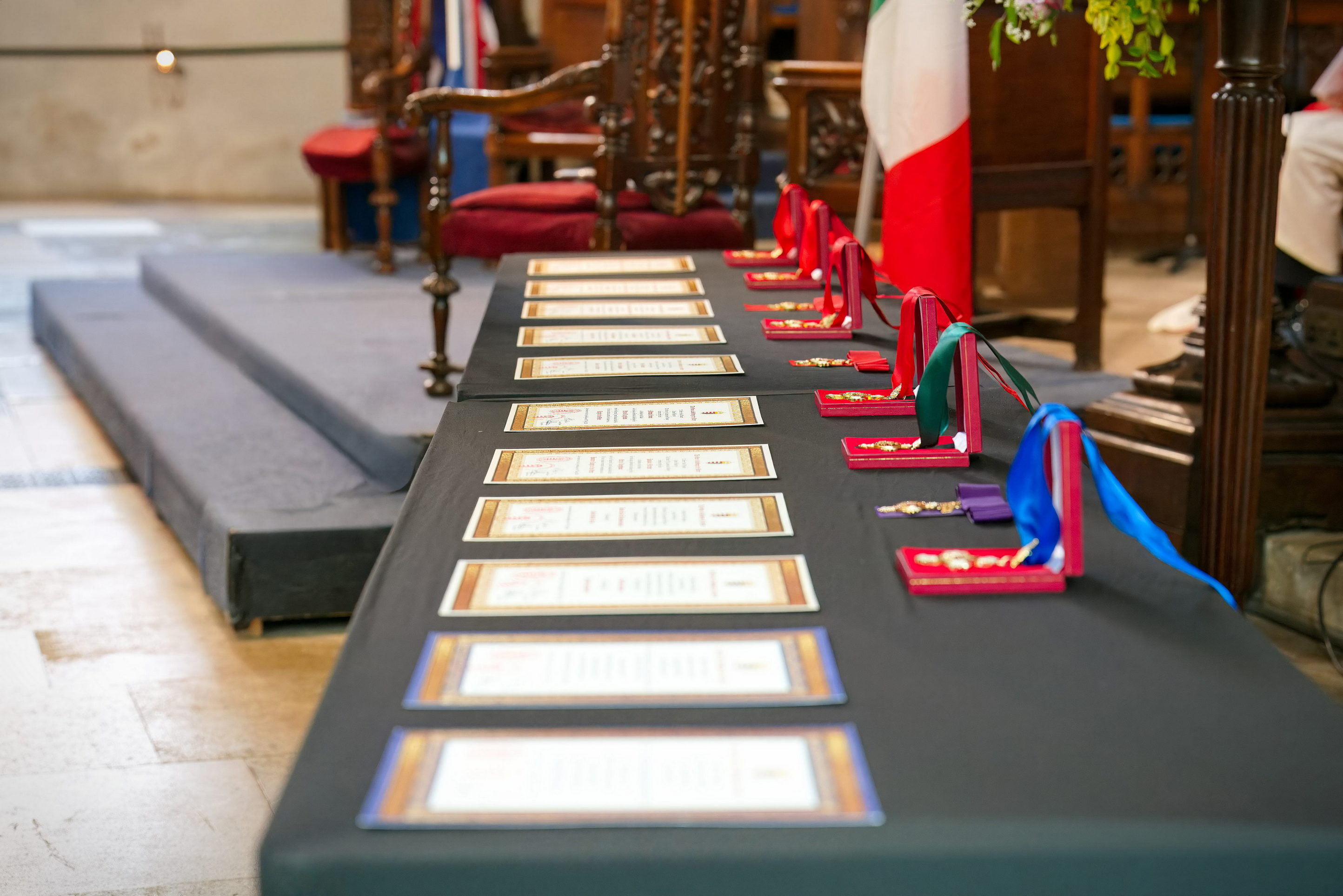
During the ceremony, the Order formally invested its new Dames and Knights, welcoming them into a tradition rooted in Christian witness, charitable action and the ideals of chivalry.
Welcoming New Dames and Knights
This year’s postulants included Professor Barry Rider OBE, Professor Martin Barlow, Colleen McLaughlin Barlow, Councillor Karl Brokett, Mrs Julie Brokett, Sir Pasquale Marchese OMRI, Mayor of Castelluccio Valmaggiore in Italy, and Mr Matthew Crichton.
Their investiture marked not only their formal entry into the Order, but also their commitment to its values of faith, humility, courage, loyalty and service.
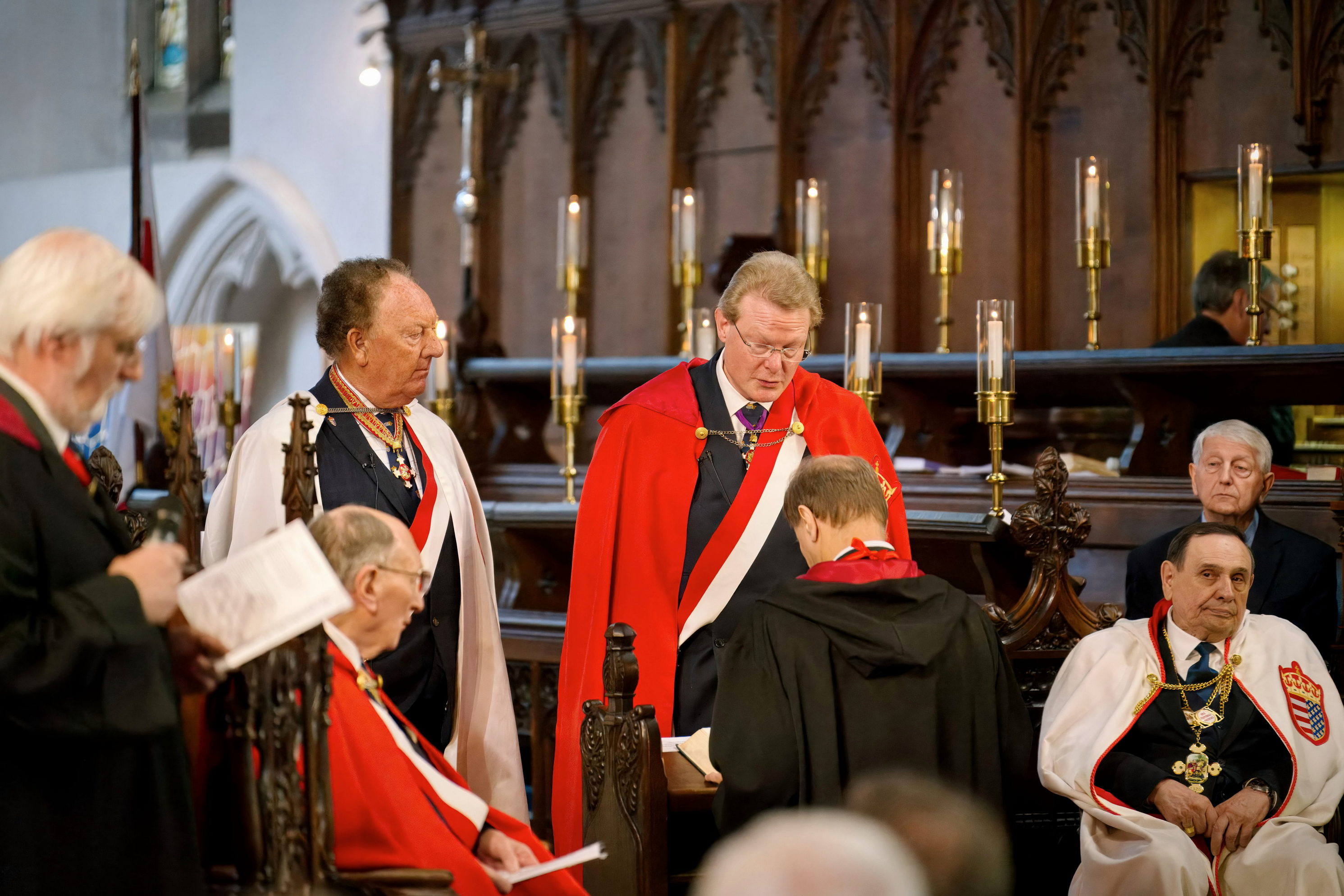
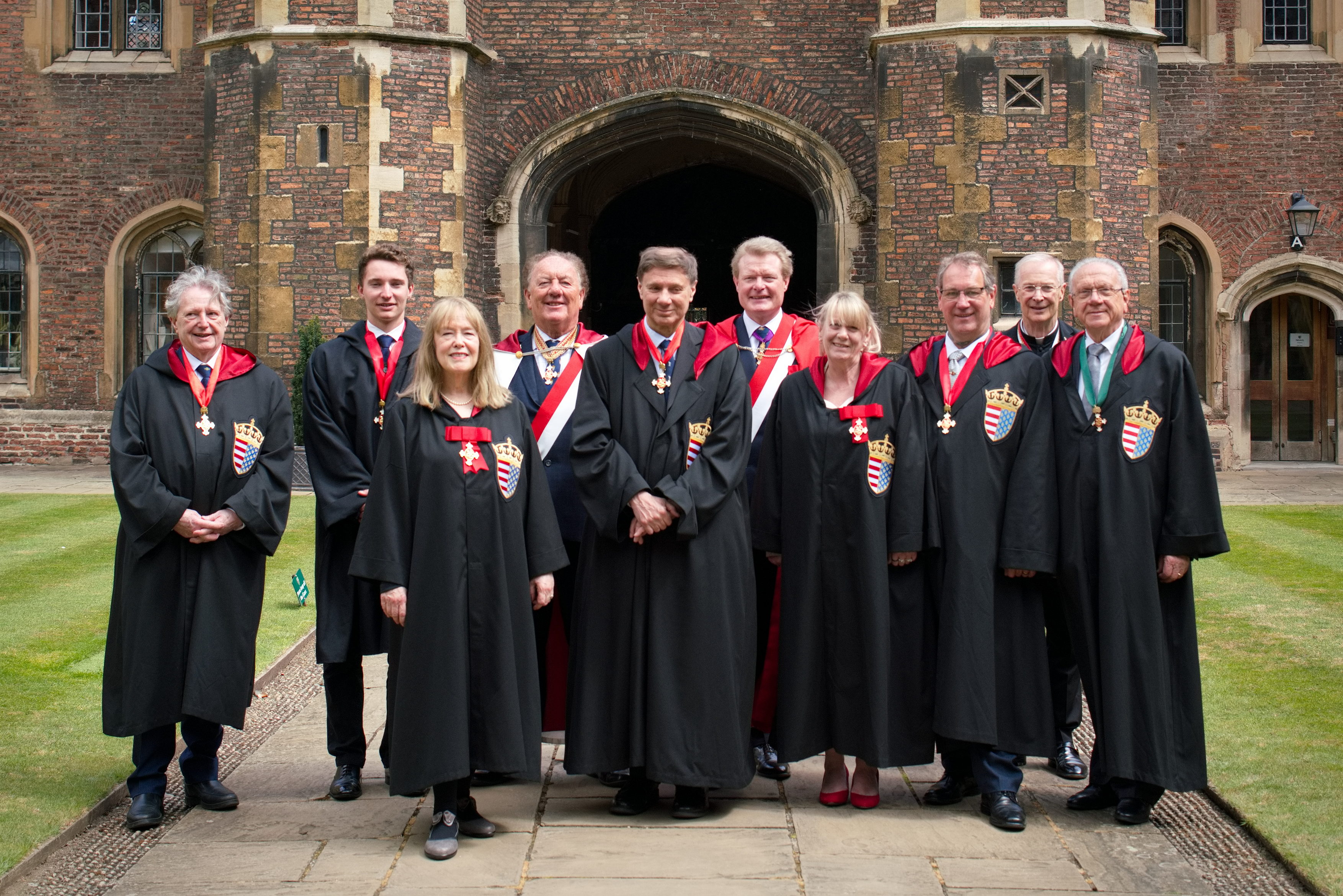
Welcome the new members of the Order. From left to right: Professor Barry Rider OBE, Mr Matthew Crichton. Colleen McLaughlin Barlow, Grand Master Robert Dryden, Professor Martin Barlow, Grand Prior Richard Brown, Mrs Julie Brokett, Councillor Karl Brokett, Sir Pasquale Marchese OMRI, Mayor of Castelluccio Valmaggiore in Italy. Pictures: M&S Foto
Luncheon and Fellowship at Queens’ College
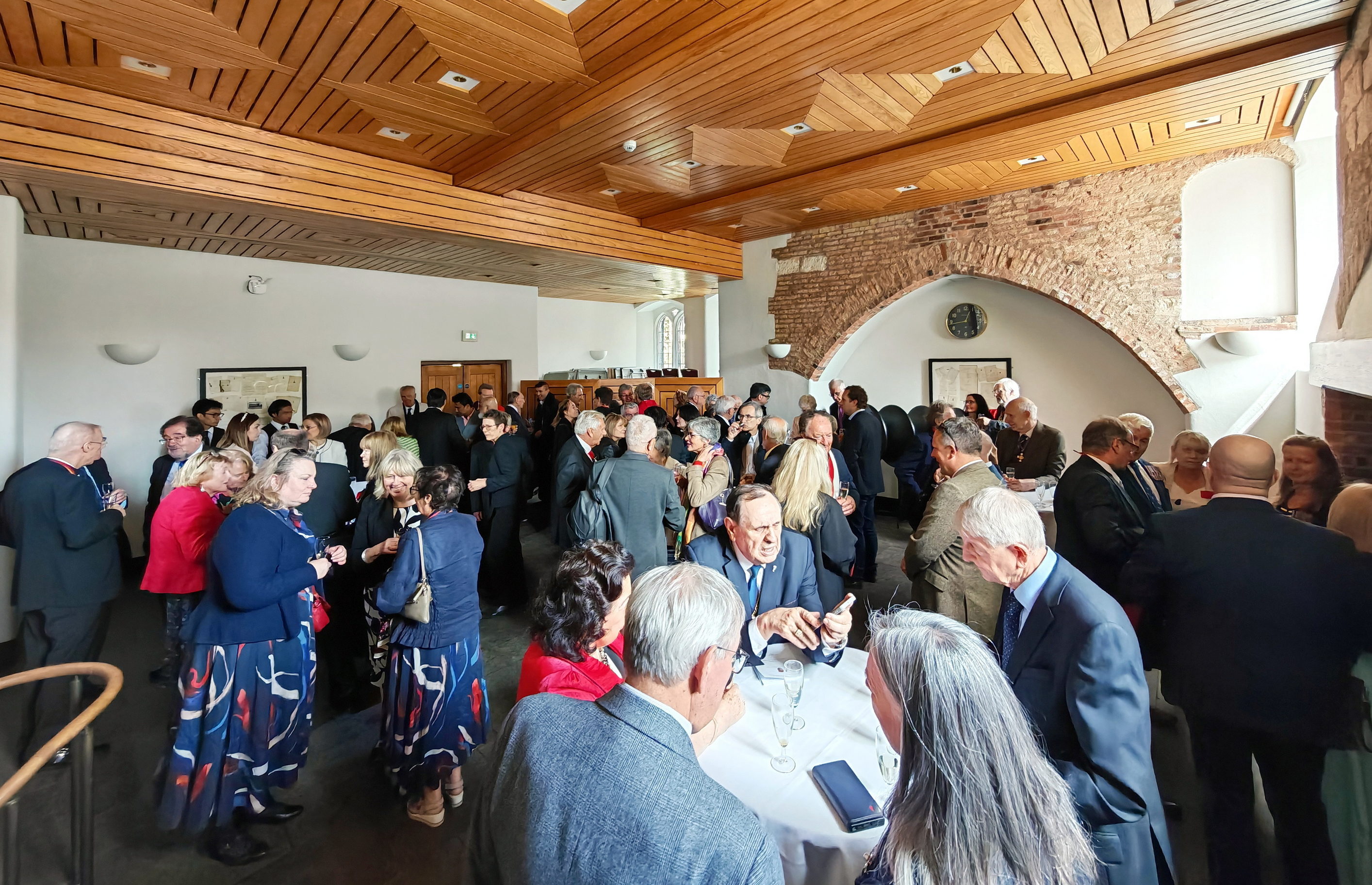
The reception and luncheon at Queens’ College provided a warm and elegant continuation of the day’s celebrations. Guests first gathered for a reception in one of the College’s historic halls, where old friendships were renewed, new connections were made, and the spirit of fellowship that lies at the heart of the Order was very much in evidence.
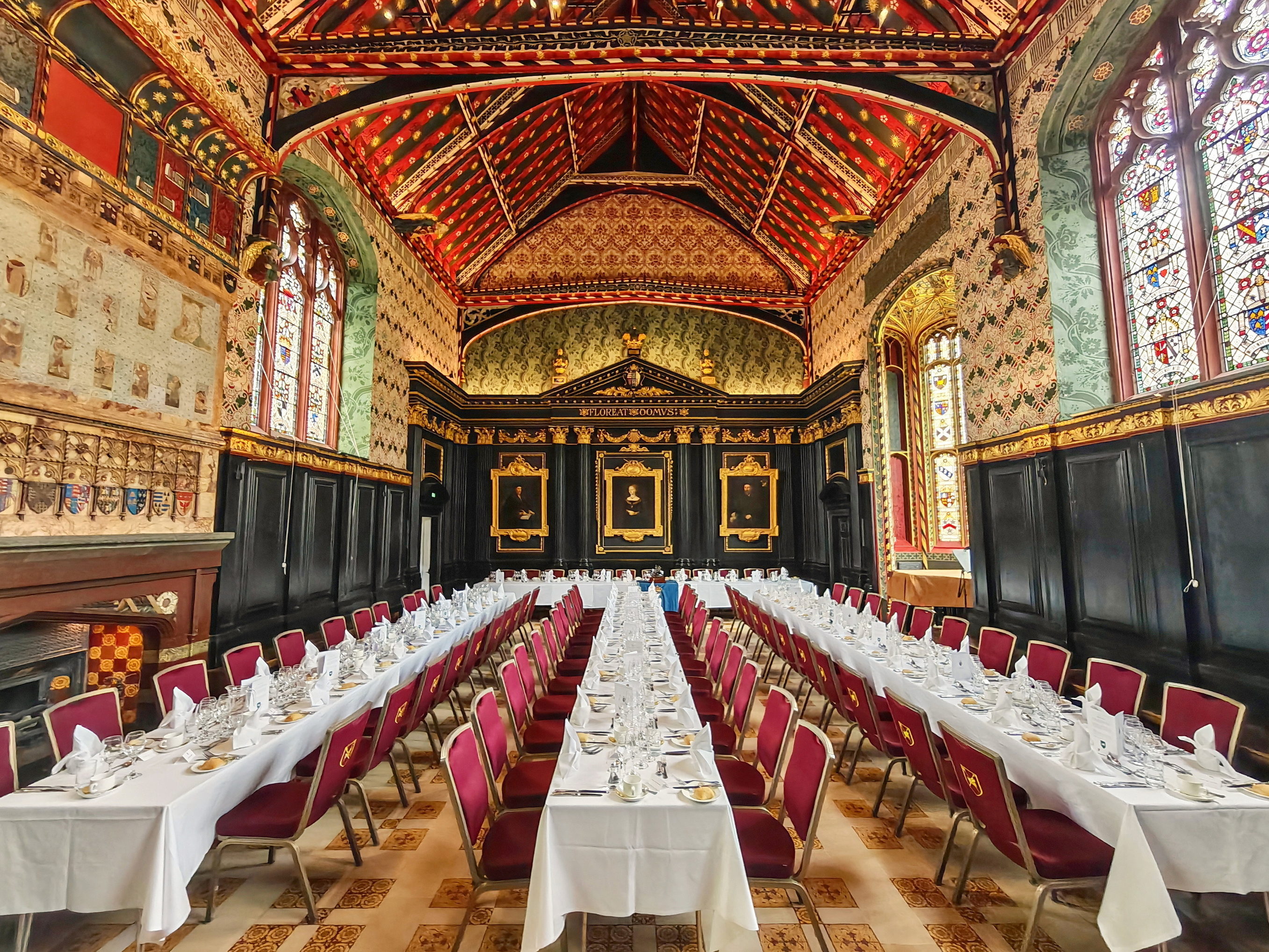
The luncheon then followed in the Old Hall, one of Queens’ College’s most historic and iconic spaces. Erected as part of the original College in the fifteenth century, the Old Hall offered a setting of great beauty and significance for the Order’s 700th anniversary celebration.
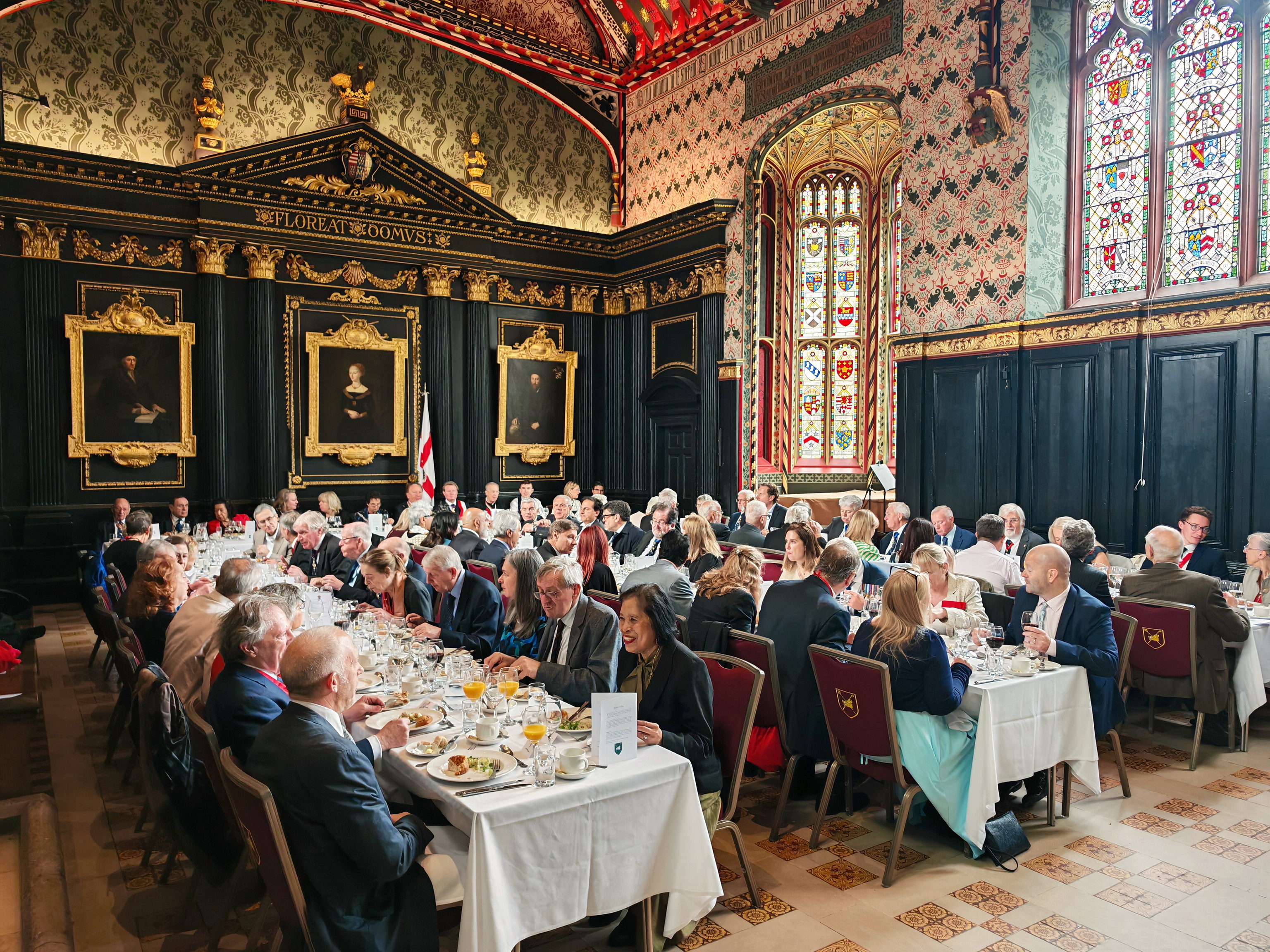
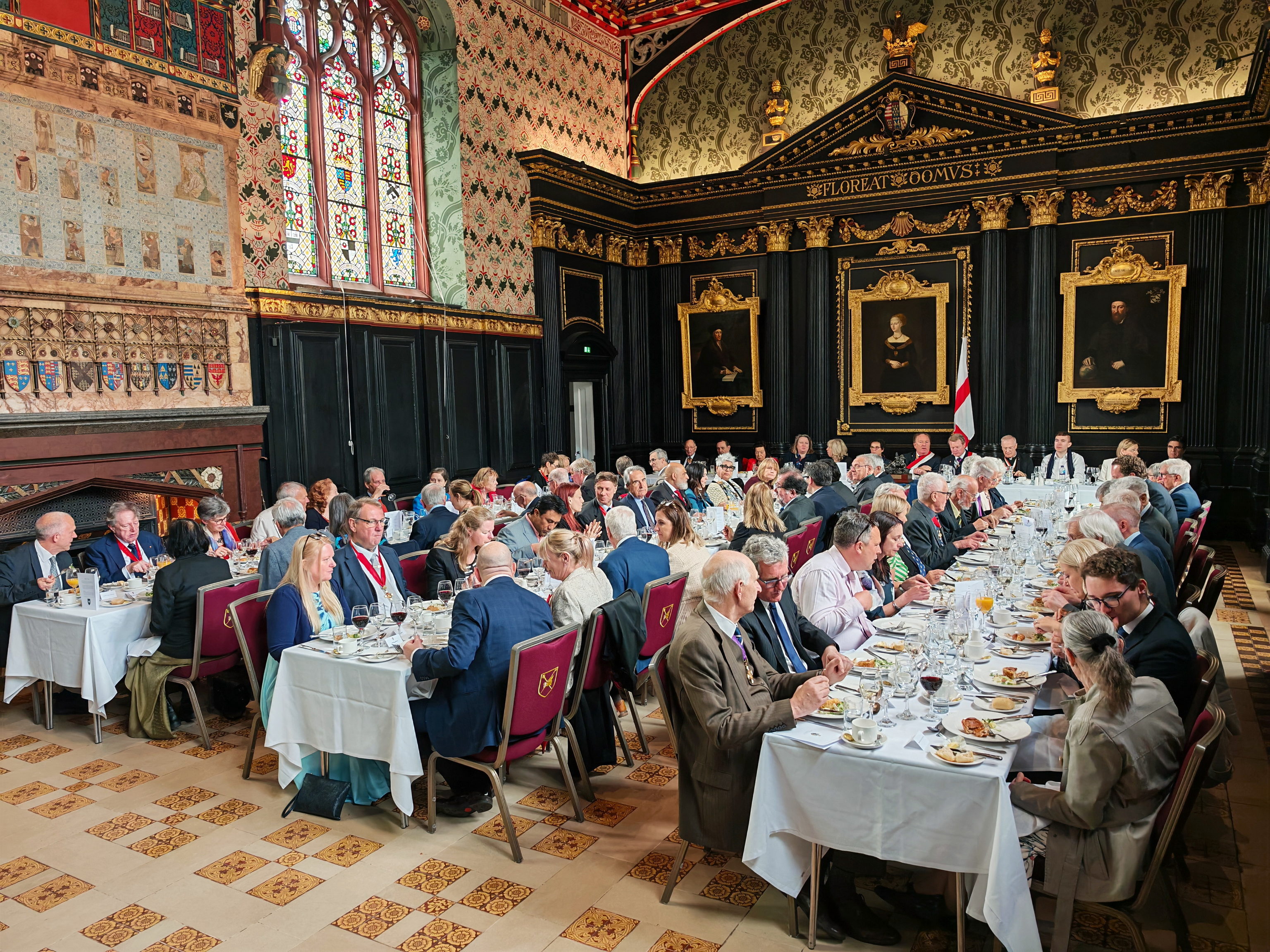
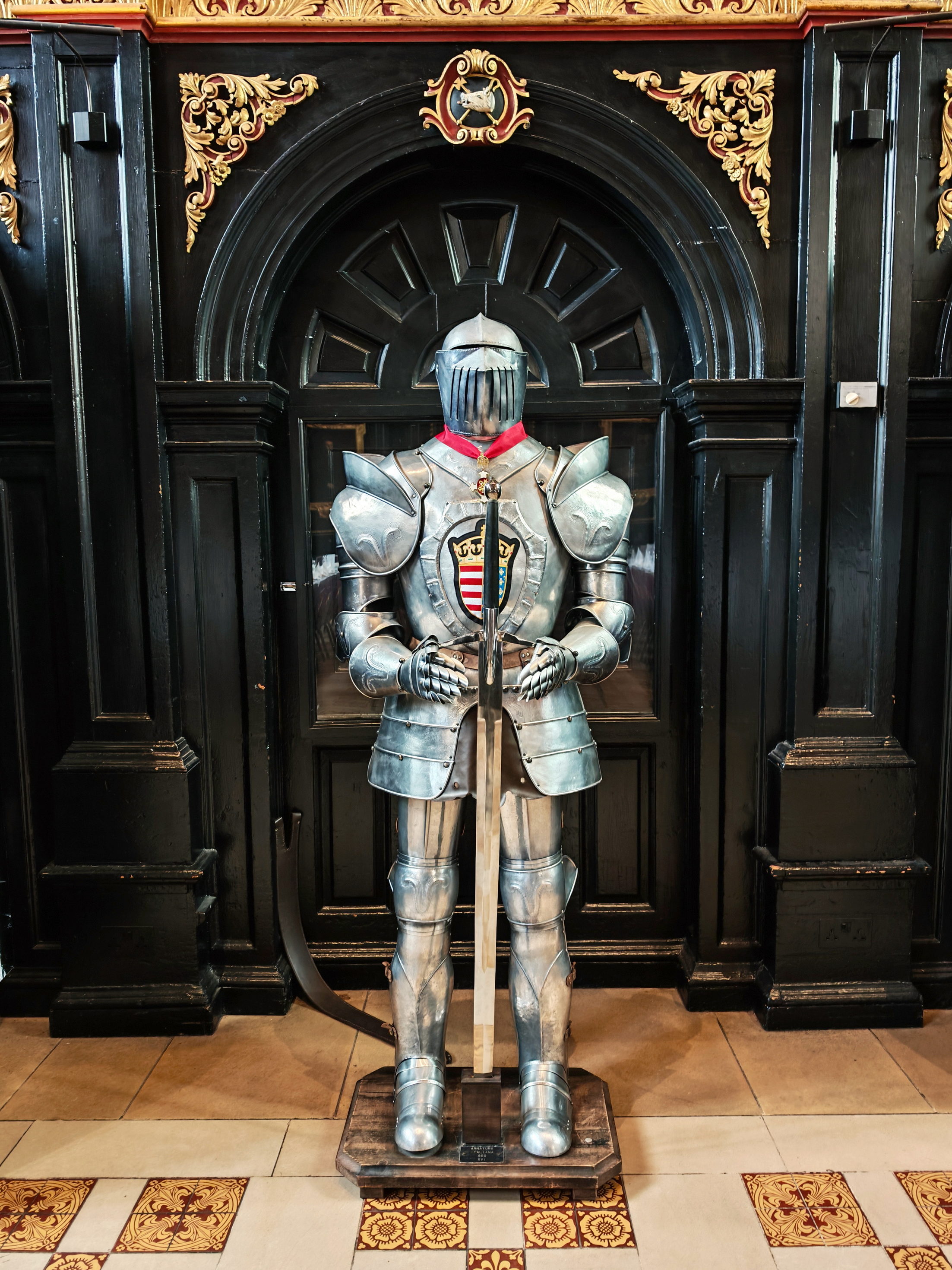
Adding to the atmosphere of ceremony and tradition, a suit of knight’s armour stood in the hall bearing the ceremonial sword of the Order — a striking symbol of the Order’s chivalric heritage. In these distinguished surroundings, members and guests shared conversation, reflected on the service, and celebrated together in a hall that has stood at the heart of collegiate life in Cambridge for centuries.
The gathering was enriched by speeches from the Grand Master, the Grand Prior, the former Grand Master and the Bulgarian Ambassador, each reflecting in their own way on the Order’s history, mission and continuing relevance.
Reflections on Service, Tradition and St George
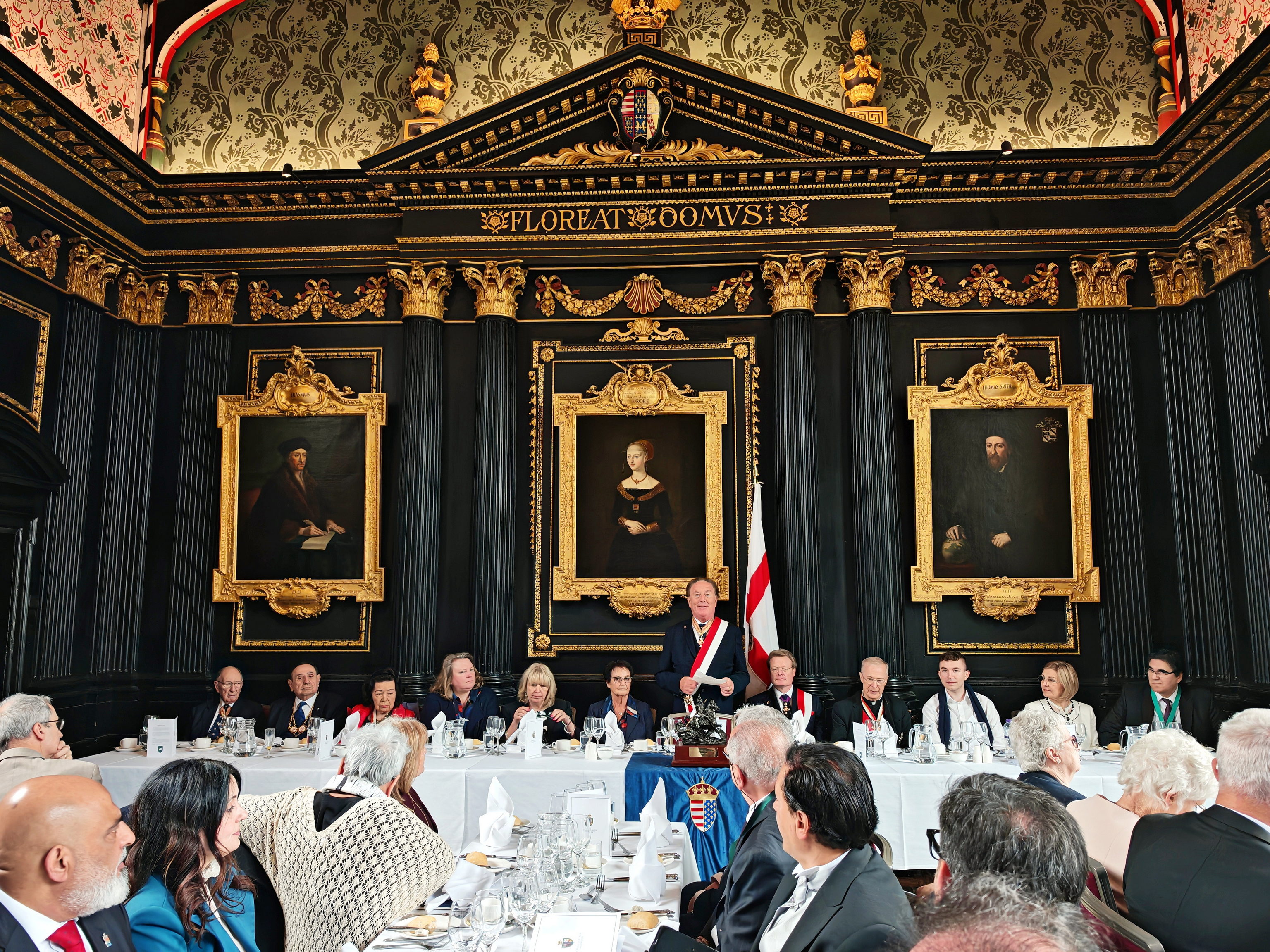 Councillor Robert Dryden JP, Grand Master of the Order, spoke warmly of the significance of the 700th anniversary, describing it as both a moment of thanksgiving and a renewed call to service. He reflected on the Order’s long journey through history and paid tribute to the generations of Dames and Knights who had carried its values forward. His remarks emphasised that the Order’s traditions are not simply ceremonial, but are rooted in active Christian service, fellowship and charitable responsibility.
The Grand Master also welcomed the newly invested Dames and Knights, reminding them that membership of the Order carries both honour and obligation. He spoke of the importance of humility, loyalty, courage and compassion, and expressed gratitude to all those whose dedication had made the anniversary Investiture such a memorable and dignified occasion.
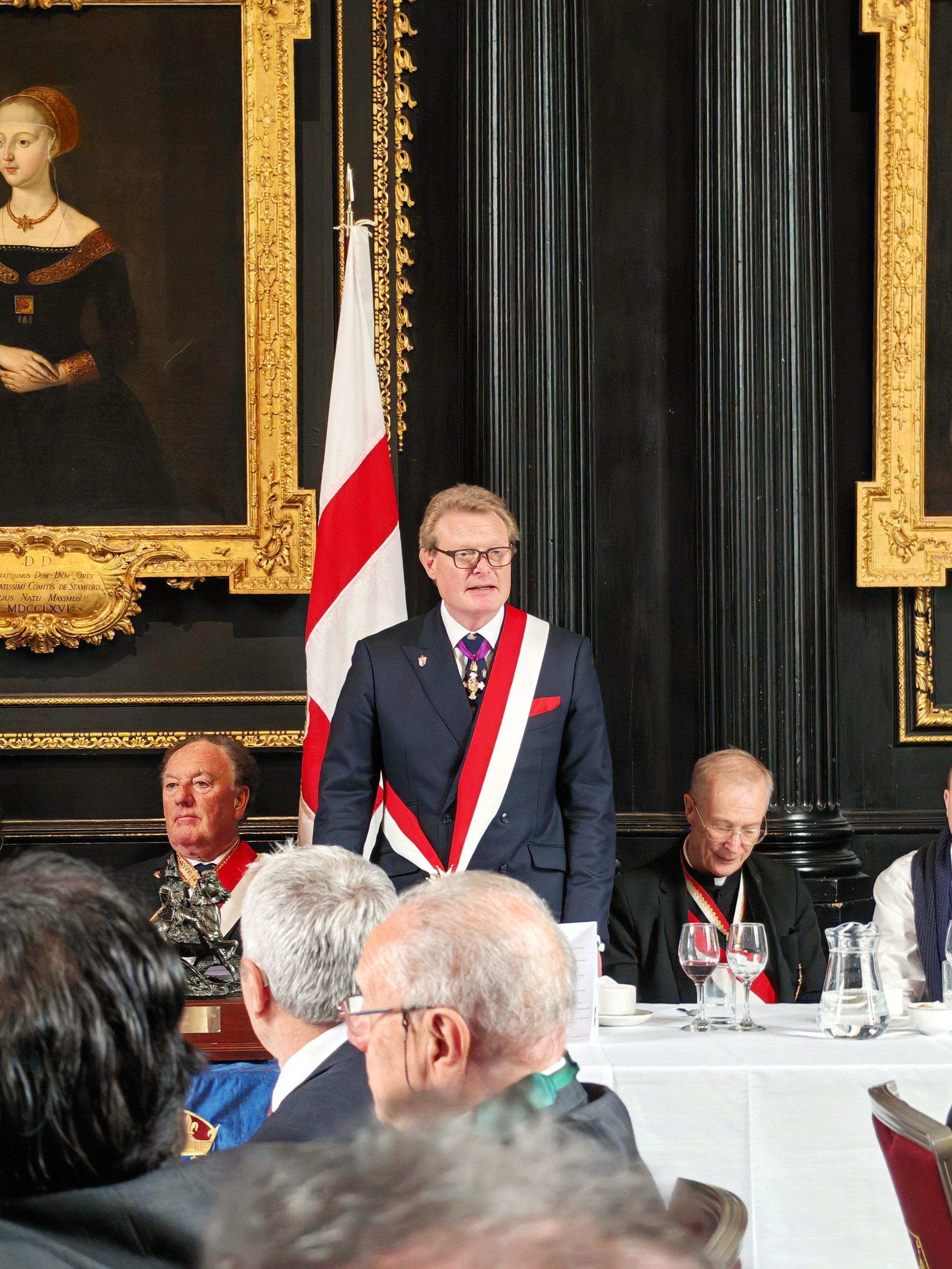 The Grand Prior spoke of the spiritual and charitable purpose of the Order, placing particular emphasis on the need to transform tradition into meaningful action. He reflected on the Order’s continuing commitment to supporting those in need, highlighting the charitable donation to The Cambridge Royal Albert Homes as a practical expression of the Order’s values.
His address underlined that the legacy of St George is not only one of courage, but also of protection, service and care for the vulnerable. He also paid tribute to the fellowship of the Order — the bonds formed between members across nations, generations and walks of life — and encouraged all present to continue strengthening the Order’s work with renewed energy after this historic anniversary year.
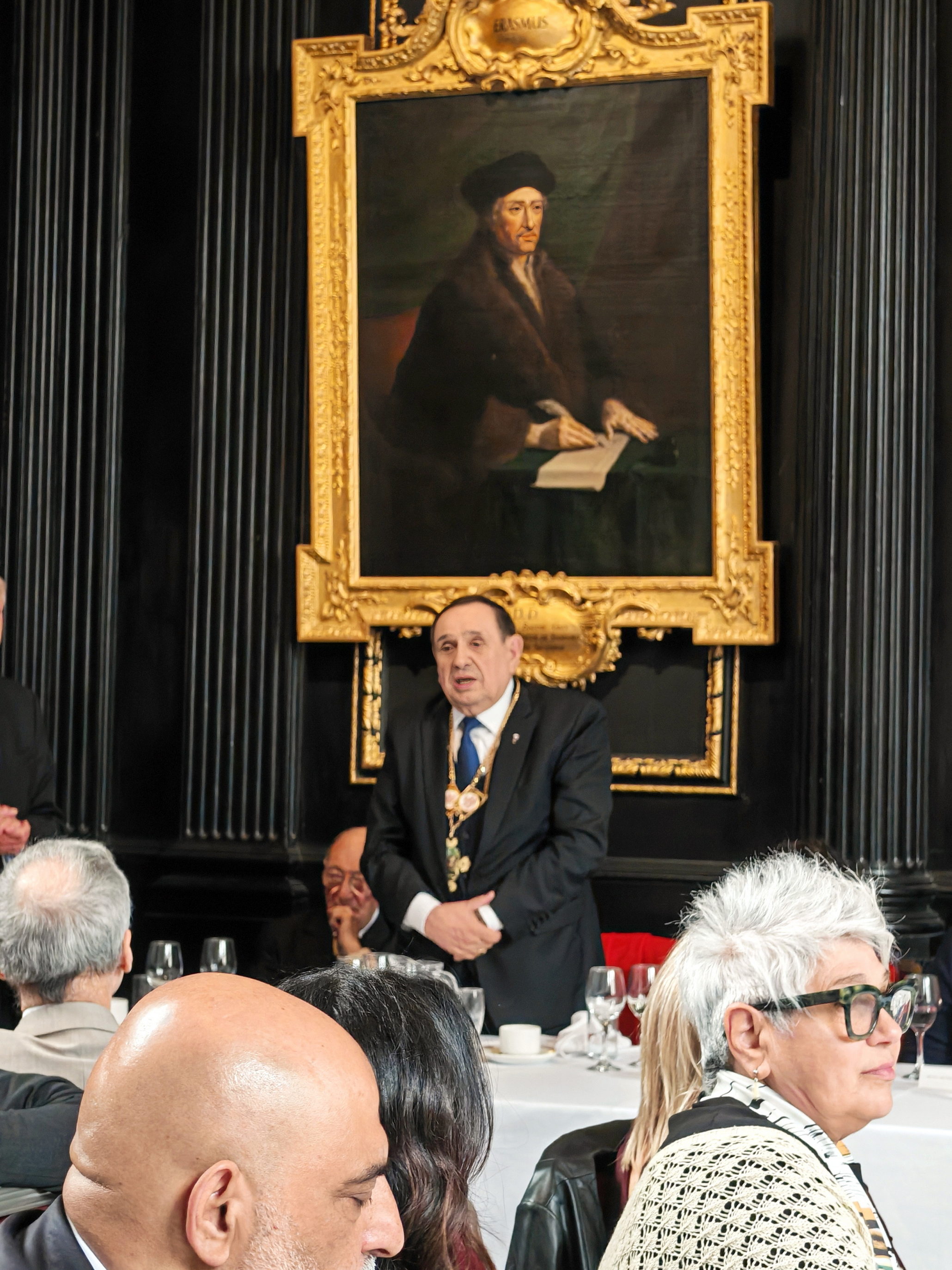 The former Grand Master, Tadeusz Kaczor, offered thoughtful reflections on the international spirit of the Order and the importance of maintaining strong bonds of friendship and service between members across Europe. Drawing on his own experience of leadership within the Order, he spoke of the responsibility shared by all Dames and Knights to preserve its traditions while ensuring that its charitable and Christian mission remains active and relevant in the present day. His remarks also highlighted the importance of continuity between generations of leadership. As a former Grand Master, he paid tribute to the work of the present Grand Master and Grand Prior, and expressed his confidence that the Order would continue to grow in fellowship, dignity and purpose. His words brought a valuable sense of perspective to the anniversary celebration, linking the Order’s historic legacy with its future direction.
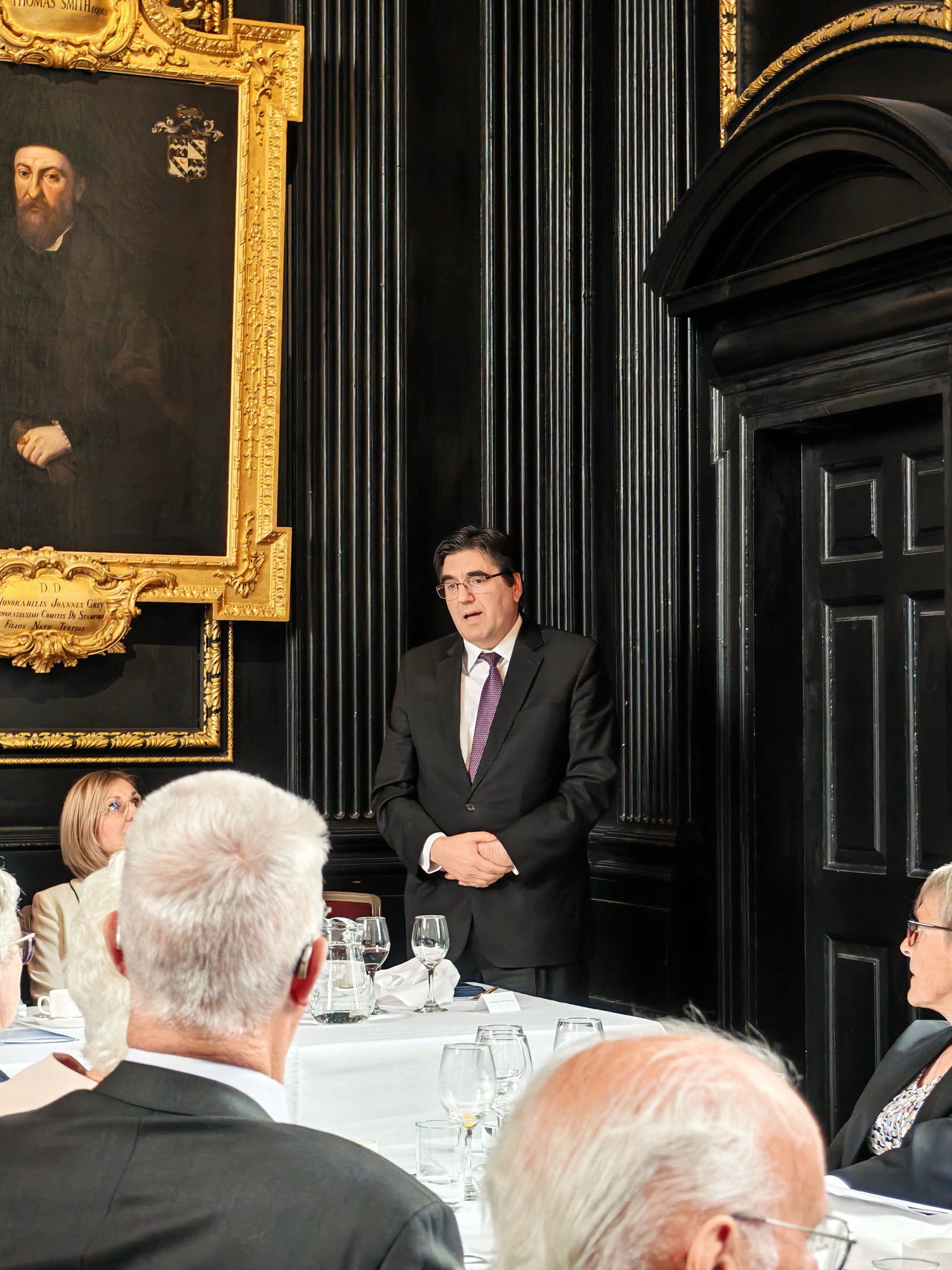 H.E. Mr Tihomir Stoytchev, Ambassador of Bulgaria and an Honorary Knight of the Order, gave an enlightening address on the special significance of St George in Bulgarian culture and tradition. In Bulgaria, St George’s Day, known as Gergyovden, is one of the country’s most important religious and national holidays. It is associated with courage, protection, spring, health, family traditions and the Day of Bravery and the Bulgarian Army. His remarks offered guests a deeper appreciation of St George’s place not only in Christian tradition, but also in the cultural life and identity of Bulgaria.
Piano Performance from Maestro Paolo Curatolo
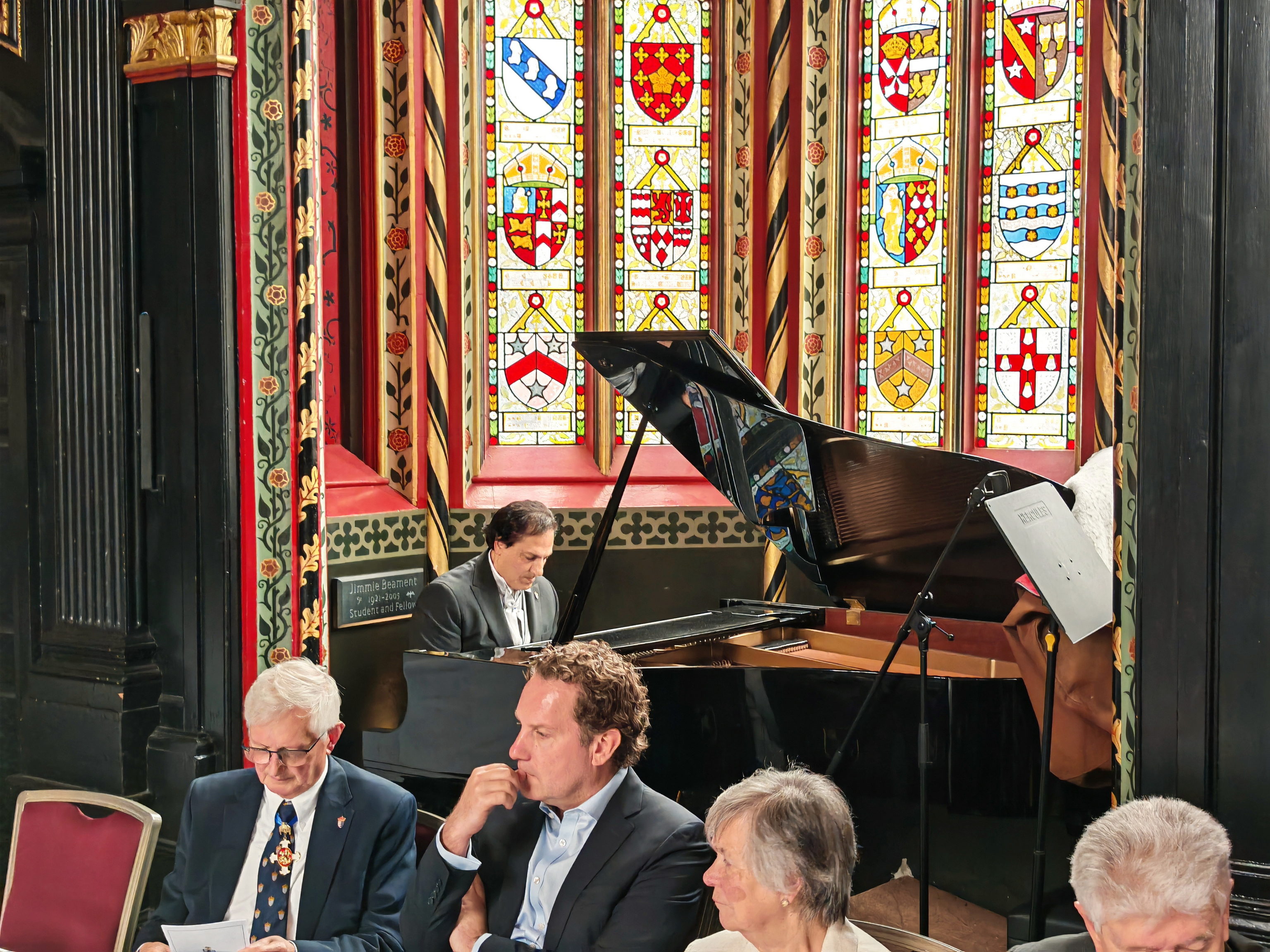
The luncheon was further enhanced by a piano performance from Maestro Paolo Curatolo, whose music brought grace and warmth to the celebration. His contribution was a memorable part of a day filled with ceremony, fellowship and shared purpose.
A Charitable Gift to The Cambridge Royal Albert Homes
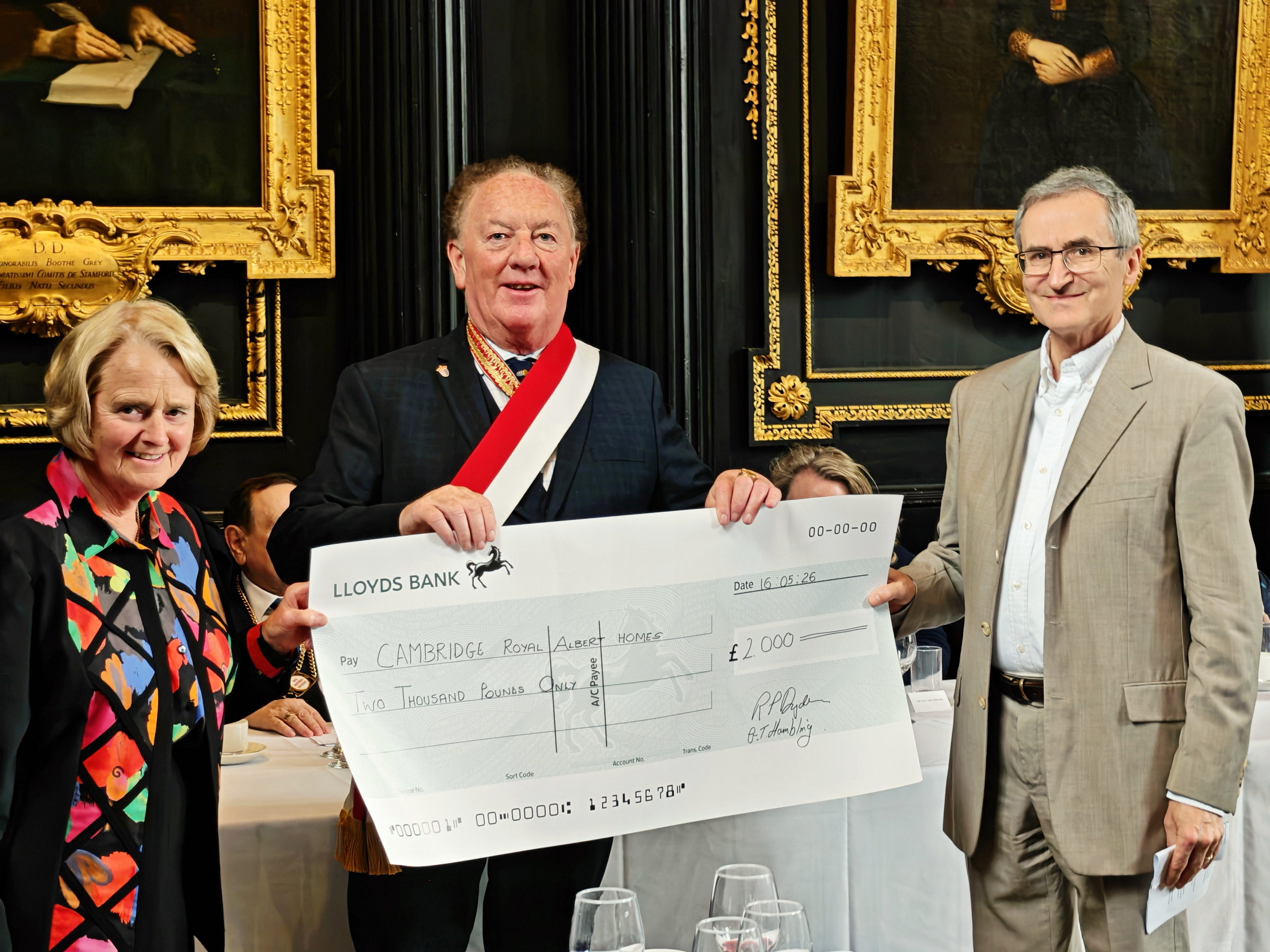
A highlight of the day was the presentation of a £2,000 charitable donation to The Cambridge Royal Albert Homes, continuing the Order’s commitment to supporting those in need and serving the wider community.
Mr Jean-Pierre Faivre received the donation on behalf of the Homes, whose work reflects the same values of care, dignity and service that the Order seeks to uphold.
Continuing the Order’s Mission
The 700th Anniversary Investiture was a fitting tribute to the Order’s past and a confident expression of its future.
As the Order of St George the Martyr continues its charitable and Christian mission, this historic gathering in Cambridge served as a powerful reminder that the values of faith, courage, humility, loyalty and service remain as vital today as they were seven centuries ago.
- Details
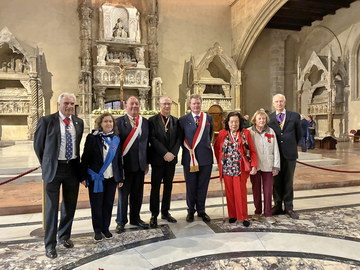
As part of the Order of St George the Martyr’s 700th anniversary year, members of the Order travelled to Naples, Italy, for a memorable visit of fellowship, worship, history, and reflection.
The journey formed part of the Order’s wider celebrations marking seven centuries of chivalric tradition, Christian witness, and charitable service. Naples, with its rich religious, cultural, and historical heritage, provided a fitting setting for members to come together in honour of St George.
A Warm Welcome in Naples
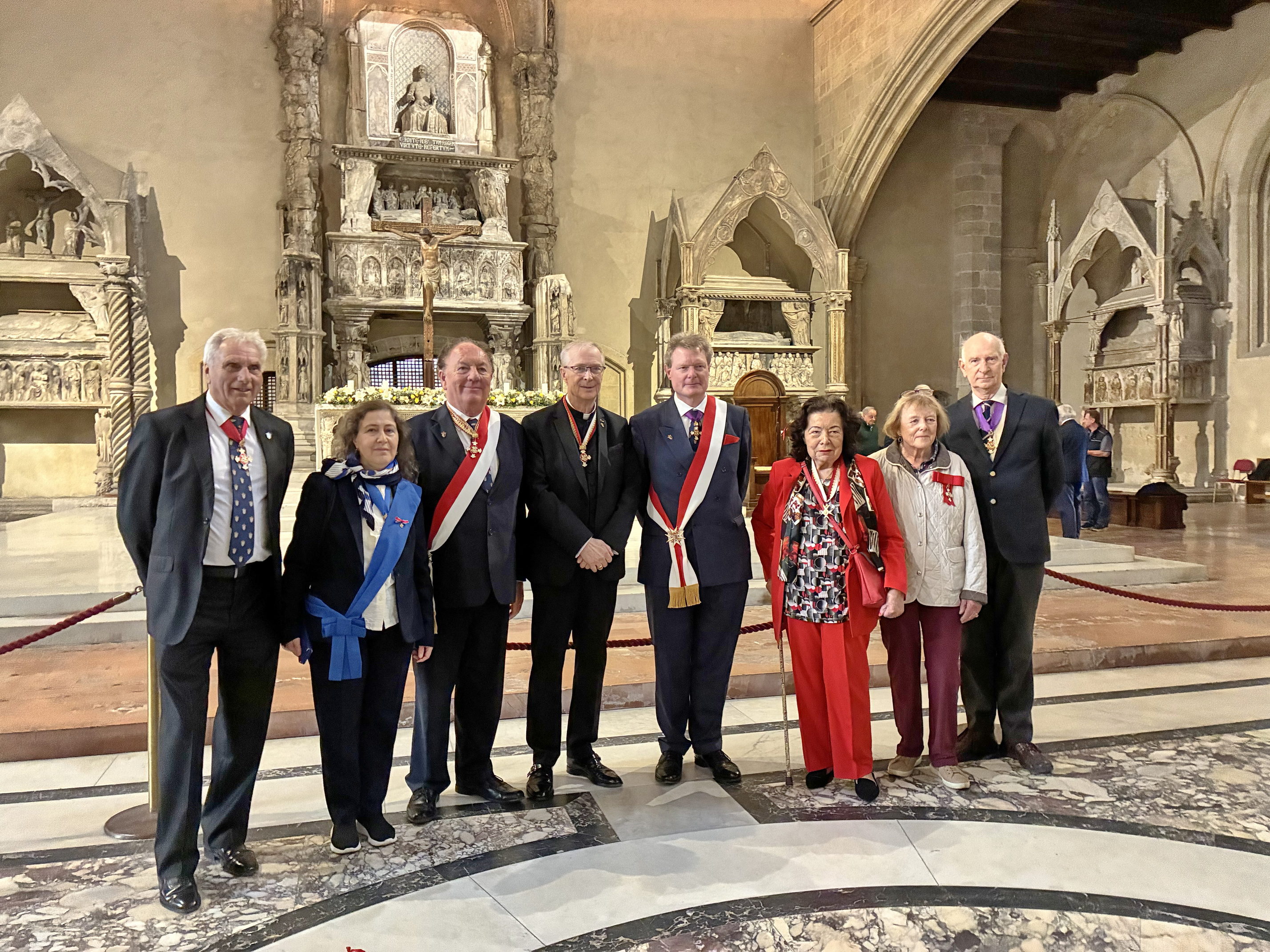
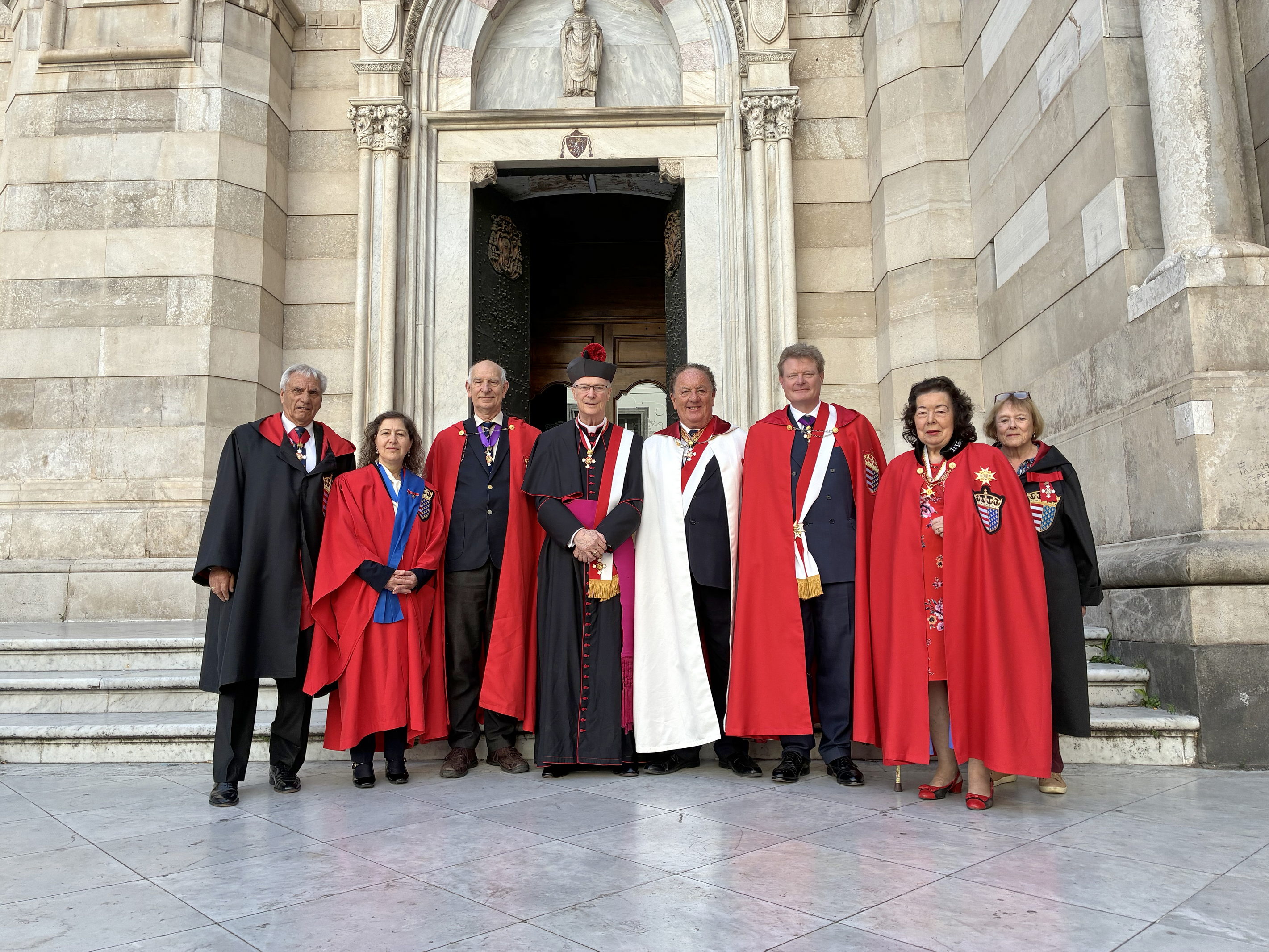
Throughout the visit, members of the Order were warmly received at every location. The programme included visits to historic castles, churches, and important sites across the city.
One of the principal highlights was a visit to one of Naples’ castles, where special permission was granted for the group to enter despite the site being closed to the public at the time. Members were given a private tour, offering a privileged opportunity to learn more about the city’s remarkable past.
Worship on St George’s Day
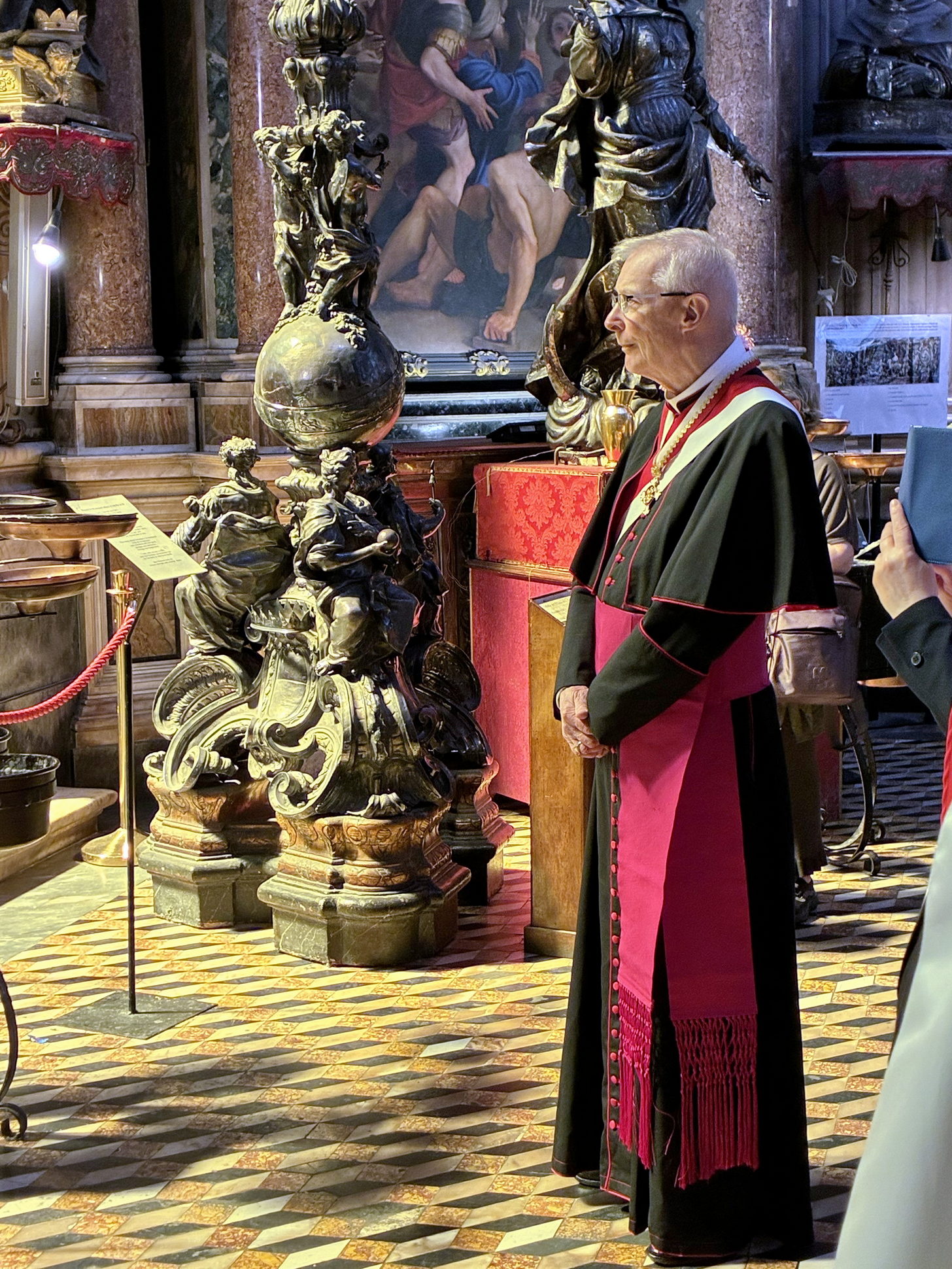
The spiritual heart of the visit was the celebration of Mass. Members attended several churches during the trip, with Father Eugene celebrating Mass on two occasions.
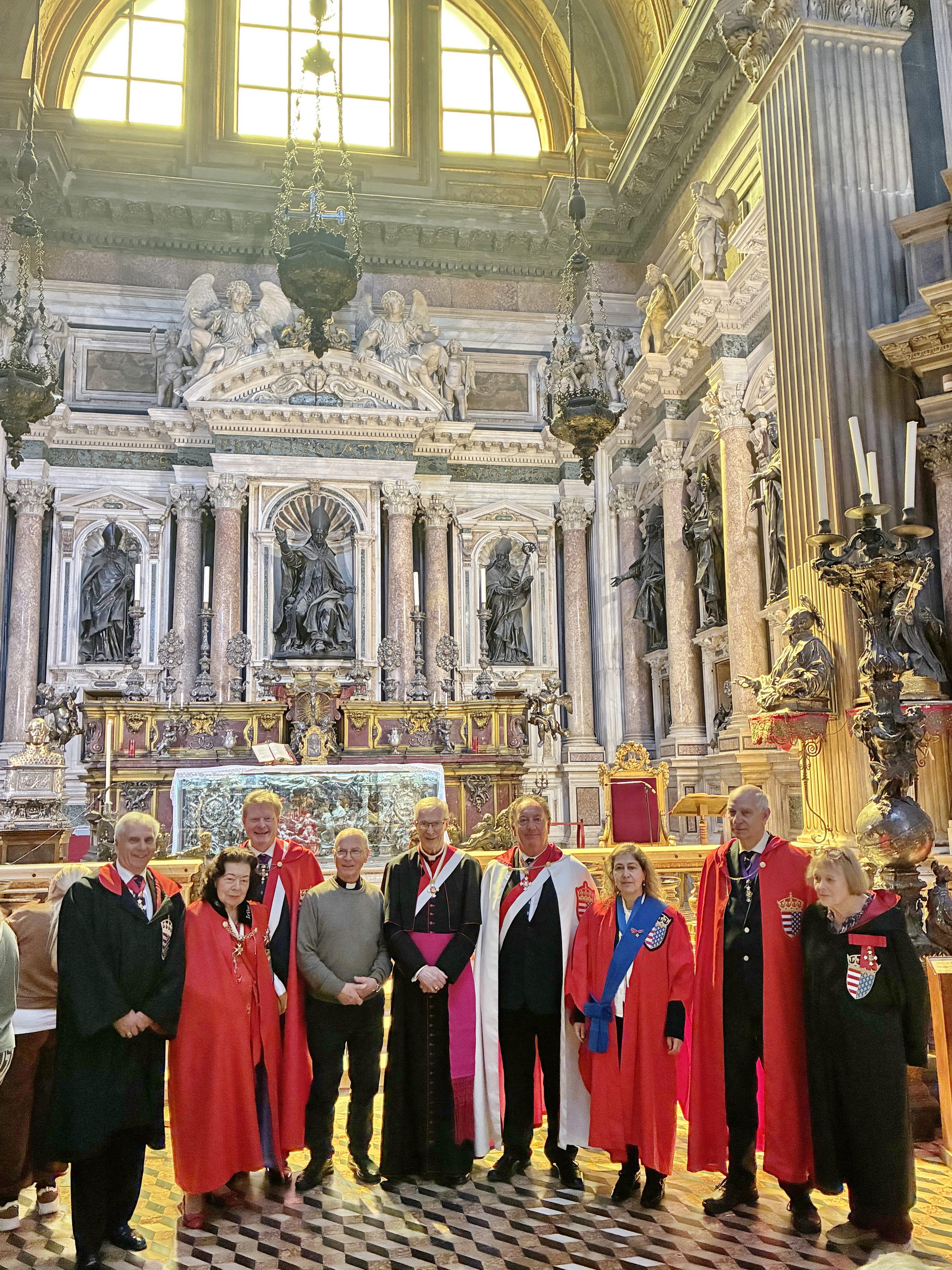
One of these services took place in a large cathedral, where Mass was celebrated in English. Visitors and tourists in the church paused to listen, creating a moving and memorable moment for those present.
The celebration of Mass on St George’s Day was especially meaningful. It allowed members to honour the patron saint of the Order not only through ceremony and tradition, but through prayer, fellowship, and shared Christian devotion.
Regalia, Fellowship, and Public Interest
Members wore the gowns and insignia of the Order during parts of the visit, attracting considerable interest from tourists and local people. At times, the sight of the Order’s regalia led visitors to assume that members were part of the historic setting itself.
This curiosity provided opportunities to speak about the Order, its traditions, and its continuing charitable and humanitarian work.
The visit also allowed members to meet local representatives and friends of the Order, strengthening bonds of friendship and goodwill. A letter of thanks was later sent to those who helped make the visit possible, recognising the generosity and hospitality shown to the Order during its time in Naples.
Time for Reflection and Discovery
Alongside the formal programme, members also enjoyed time to explore Naples in smaller groups, visiting sites of personal interest and taking in the city’s remarkable views and atmosphere.
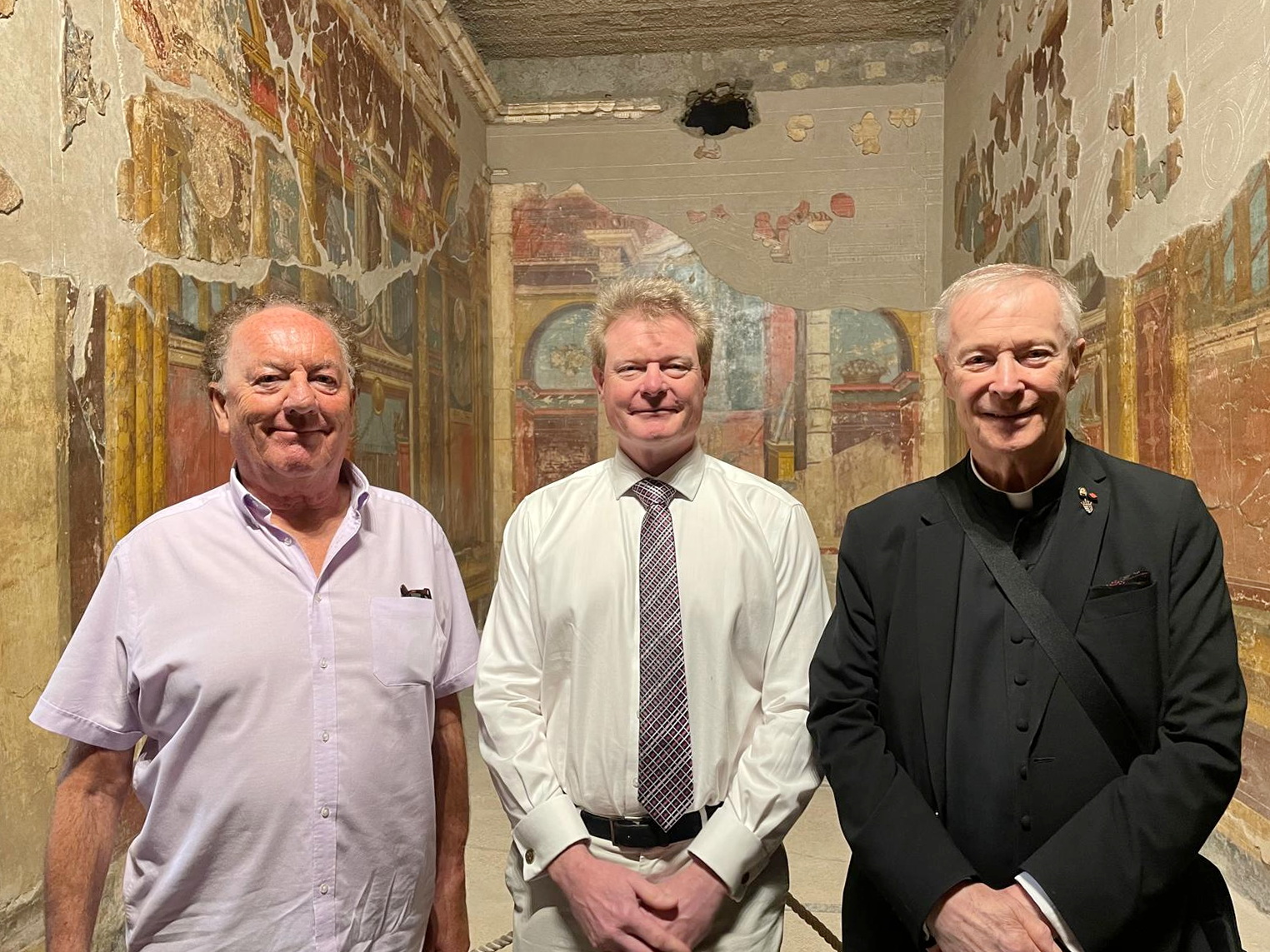
A small number of members also made a private visit to Pompeii, which, while not part of the principal programme, proved to be a memorable additional experience. The visit offered a fascinating insight into one of the world’s most important archaeological sites, where discoveries continue to reveal new details about life in the ancient Roman world.
Marking 700 Years of Tradition
The visit to Naples was a fitting tribute to the Order’s long history and enduring values. In a city shaped by faith, culture, and centuries of history, members were reminded of the importance of preserving tradition while continuing to live out the Order’s mission in the modern world.
As the Order of St George the Martyr marks its 700th anniversary, occasions such as this serve as a reminder that the Order is not only rooted in history, but remains active in fellowship, charity, Christian witness, and service.
The Order extends its sincere thanks to all who helped organise and support the visit, and to all those in Naples who welcomed its members with such kindness and generosity.
- Details
In every age, The Order of St George the Martyr seeks out a particular kind of greatness: not applause, but character — service shaped by humility, faithfulness, courage, and practical compassion. Our tradition calls members to help those in need and to uphold the enduring chivalric virtues in modern life.
Two of our members — Knight Mick Pocock and Knight Graham Hambling — reflect those ideals through years of devoted volunteering with Arthur Rank Hospice Charity in Cambridge, where their work has brought comfort to patients and families at their most vulnerable.
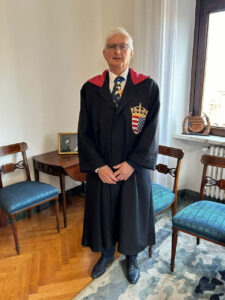
(Left: Knight Mick Pocock; Right: Knight Graham Hambling)
Arthur Rank Hospice Charity is sustained by a remarkable community of volunteers — more than 600 people offering time, skill, and kindness across Cambridgeshire. Within that fellowship, Mick (from Cambridge) and Graham (from Stapleford) have become enduring figures in the Hospice gardens team: present, reliable, and quietly resolute.
Their service is closely tied to a defining chapter in the Hospice’s story. When care moved from Mill Road to Shelford Bottom in 2016, the grounds were described as a “blank canvas”. Mick and Graham were among those who helped bring order and beauty to that new beginning — planting hundreds of plants and shaping a landscape that, season by season, became a place of refuge.
Within a hospice, comfort is often found not in grand gestures, but in the quiet excellence of things well kept: a path that invites a slow walk, a border in bloom, a view that steadies the mind. The gardens at Arthur Rank Hospice are part of that ministry of care — offering patients and families a refuge of order, beauty, and peace. Mick’s work reflects that spirit. He has described mowing a section of lawn so that the light and dark stripes can be appreciated from several vantage points around the building — a simple discipline, repeated with care.
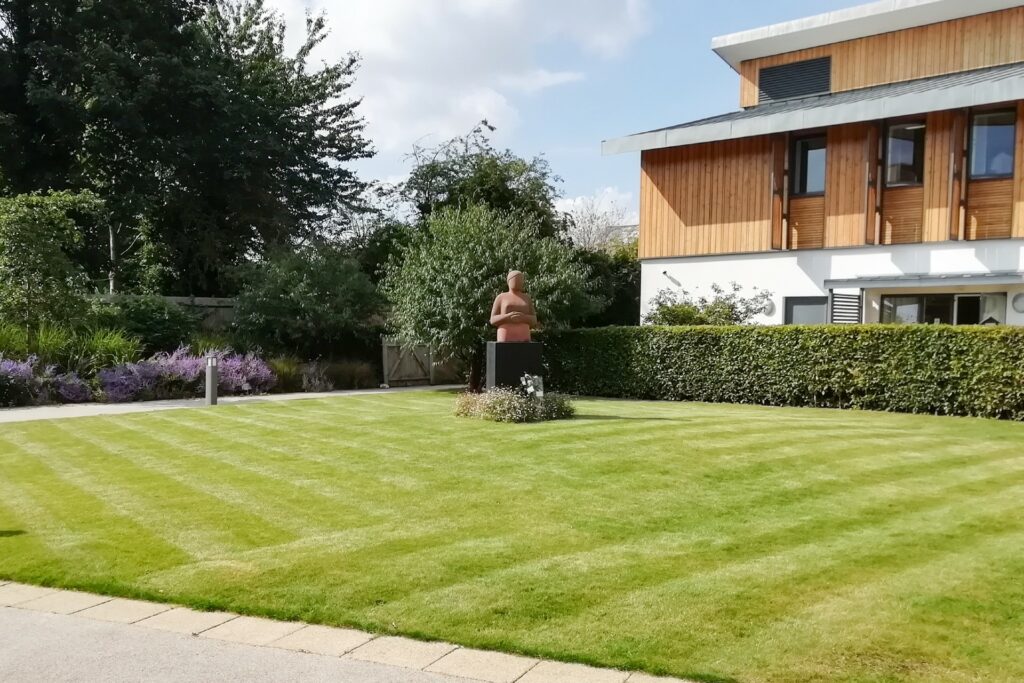
(Photo: Arthur Rank Hospice Charity)
He has also strengthened the Hospice environment through practical gifts and support: donating bird tables so patients can watch wildlife from their rooms, and helping in the steady background work that keeps fundraising moving, such as collecting charity tins. These details may be modest in themselves, but together they honour a chivalric understanding of service — humility in action, offered for the good of others.
Recognition for a Decade of Service
When the Hospice honours long-serving volunteers, it is not merely marking time served; it is acknowledging a form of steadfastness that cannot be improvised. Long service in a place of care means constancy — returning in all weather, week after week, and tending peace where it is most needed.
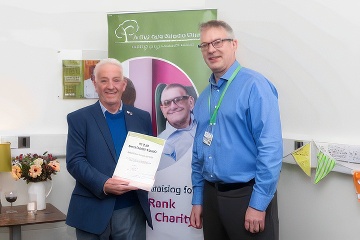
At Arthur Rank Hospice Charity’s Long Service Awards, both Mick and Graham were formally recognised. The Hospice noted that Mick collected his ten-year service certificate alongside fellow Volunteer Gardener Graham Hambling — a shared moment of recognition for two men whose contribution has been measured not in display, but in faithful, enduring work.
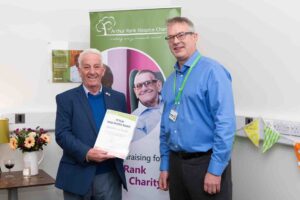
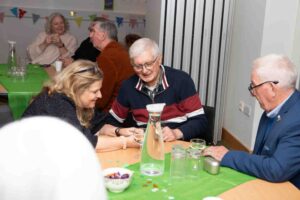
(Left: Knight Mick Pocock; Right: Knight Graham Hambling. Photos: Arthur Rank Hospice Charity)
For Mick, this pattern of service sits within a wider life of public contribution. After 38 years at Girton College and 10 years as a Special Constable in Cambridge, he entered retirement not as an ending, but as a new chapter of giving — describing his volunteering as among the best decisions he made after leaving full-time work.
Graham’s commitment is equally rooted and outward-looking. Alongside his work at the Hospice, he is Treasurer of the Cambridge Cactus and Succulents’ Society charity, and he supports Arthur Rank Hospice Charity further by donating proceeds when he opens his garden to the public — extending the circle of benefit beyond the Hospice gates.
Service that reaches beyond one cause
The measure of a servant-hearted life is rarely confined to a single role. What distinguishes Mick and Graham is the consistency of their generosity — the habit of seeing what is needed and responding without fuss.
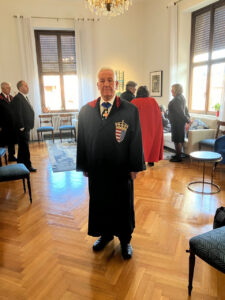
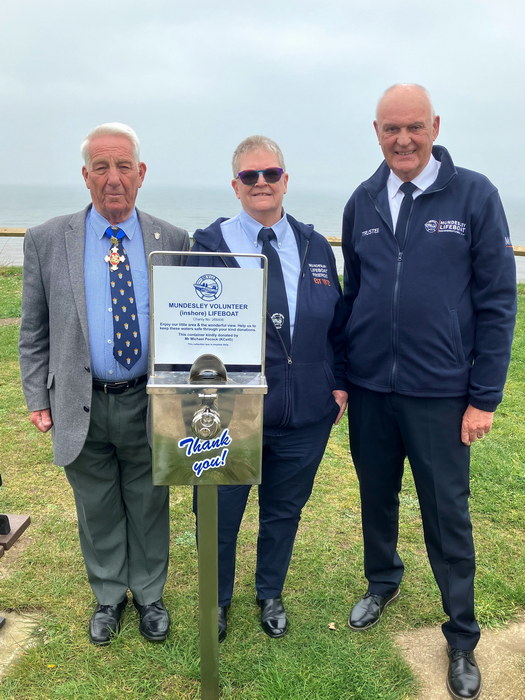
Mick’s charitable support extends beyond the Hospice. In the attached photograph, he stands beside a donation point for the Mundesley Volunteer (Inshore) Lifeboat. The wording on the collection box notes that it was kindly donated by Mr Michael Pocock — another quiet act of practical support, helping a volunteer lifeboat charity continue its lifesaving work.
A living example of chivalry today
Chivalry, rightly understood, is not ceremony alone. It is a discipline of character: courage expressed as steadiness; loyalty expressed as reliability; humility expressed as service that does not seek recognition. That is the calling our Order sets before its members — to help those in need and to live the virtues of justice, faith, and compassion in the texture of ordinary days.
Through their long service to Arthur Rank Hospice Charity — and through the wider pattern of charitable support in their lives — Knight Mick Pocock and Knight Graham Hambling show what modern service looks like: purposeful, gentle, and sustained. Their legacy is written not in noise, but in the patient flourishing of a place made more beautiful for those who most deserve peace.
Latest News Articles
September 2025
April 2025
November 2024
- Visiting the Historic Venerable English College
- Honoring the Victims of the Roman Ghetto Tragedy
- Welcomed at the Italian Senate
- Hosted by His Majesty’s Ambassador to the Holy See
- Audience with Pope Francis
- A Historic Pilgrimage to Rome
- Commemoration of Indian Soldiers in WWI and WWII
- Preparing for historic journey to Rome to meet with Pope Francis